Which of the Following Is an Important Step to Take When Serious Illness Occurs in a Family?
grief & loss
Coping with a Life-Threatening Illness or Serious Wellness Event
A diagnosis of cancer, heart affliction, or other serious illness can be devastating. But there are ways to cope with the emotional distress and preserve your quality of life.
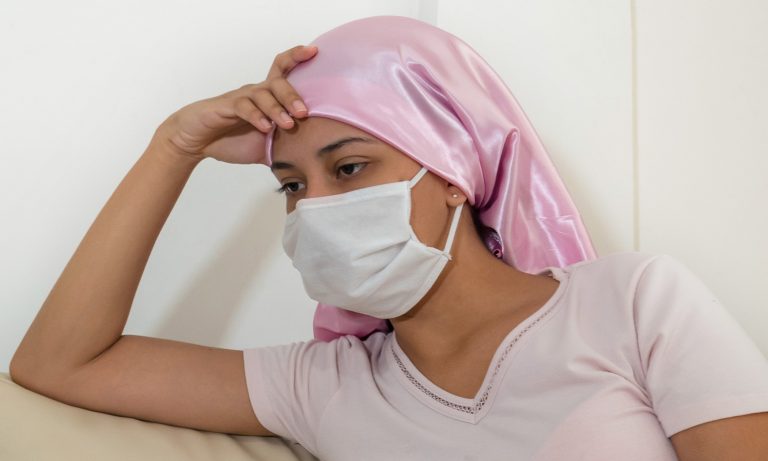
The emotional effects of a serious disease or injury
A serious health problem can disrupt all aspects of your life, whether it'due south a chronic or life-threatening affliction, such as cancer, or a major health event such as a stroke, heart attack, or debilitating injury.
Many serious health problems seem to develop unexpectedly, upsetting your life out of the blue. You may feel overwhelmed by waves of difficult emotions—from fearfulness and worry to profound sadness, despair, and grief—or just numb, frozen by shock or the feeling that you'll never be able to cope. The emotional upheaval tin can arrive hard to part or think straight, and even lead to mood disorders such as anxiety and low.
Merely whatever your diagnosis or emotional response, it's of import to know that you're not powerless. There are steps you can accept to amend cope with your new state of affairs, ease the stress and mental ache that ofttimes accompany serious illness, and find a style to navigate this challenging new journeying.
Common emotional responses to serious disease include:
- Anger or frustration as yous struggle to come to terms with your diagnosis—repeatedly asking, "Why me?" or trying to understand if you've done something to deserve this.
- Facing upwardly to your own bloodshed and the prospect that the illness could potentially be life-ending.
- Worrying about the time to come—how you'll cope, how y'all'll pay for treatment, what will happen to your loved ones, the pain you may face every bit the affliction progresses, or how your life may change.
- Grieving the loss of your health and erstwhile life.
- Feeling powerless, hopeless, or unable to look across the worst-case scenario.
- Regret or guilt well-nigh things y'all've done that y'all think may have contributed to your illness or injury. Shame at how your condition is affecting those effectually yous.
- Denial that annihilation is wrong or refusing to take the diagnosis.
- A sense of isolation, feeling cut off from friends and loved ones who can't understand what you're going through.
- A loss of self. You're no longer y'all but rather your medical condition.
How you react emotionally and the caste of psychological distress you experience depends on many different factors, including your age, personality, the type and prognosis of the medical trouble you're facing, and the corporeality of support you accept.
Whatsoever your situation, you should know that experiencing a wide range of difficult emotions is a normal response to a potentially life-changing situation. It doesn't mean that you're weak, going crazy, or won't exist able to meet the wellness and emotional challenges that lie alee.
Facing a serious diagnosis
Everything changes when you learn that you take a life-threatening illness. Perhaps you cried, sought out the comfort of loved ones, or did your all-time to distract yourself or pretend like aught had changed. Or maybe y'all but froze, unable to procedure how your life had of a sudden inverse out of all recognition. Or perhaps you even jumped into action and started tackling your health problem caput on.
It'due south important to remember at that place'south no "right" or "incorrect" way to respond. Nosotros're all different, and so don't tell yourself what y'all should be thinking, feeling, or doing after a diagnosis or serious health event. Give yourself time to process the news and be kind to yourself as you adjust to your new situation.
Allow yourself to feel. It may seem better in the moment to avoid experiencing your emotions, but they exist whether you're paying attention to them or non. Trying to ignore your feelings will only increase stress and mayhap fifty-fifty delay recovery. But if you allow yourself to feel what you feel, you'll find that even intense, agonizing feelings will pass, the initial distress y'all felt at news of your diagnosis volition start to ease, and some aspects of life volition fifty-fifty render to normal.
Be patient with the pace of treatment and recovery. After receiving an initial diagnosis or suffering a major health event, it can take time and an array of tests and consultations before your medical team settles on an advisable course of treatment. It'due south easy to get broken-hearted as you wait for a clearer picture of what your road to recovery will entail. Merely scouring the Internet and relying on what tin can often be inaccurate or scary information will only make you feel worse. When you lot're faced with a lot of unknowns, you can still intendance for yourself—eat a healthy nutrition, do, slumber well—and pursue those relationships and activities that bring you joy.
Exist open to change. Rationally, no one would consider having a eye attack or receiving a cancer diagnosis as ever having any positive consequences. Just it can happen. Some people diagnosed with life-threatening conditions do undergo a change in perspective that focuses them on the important things in their lives—those things that add meaning and purpose. Negative emotions such as anger or guilt can even sometimes have a positive outcome, motivating you lot to meet treatment goals, for example. Keeping your mind open may aid yous to find the positives and better cope emotionally in even the darkest situations.
Coping with a serious illness tip 1: Accomplish out for support
Facing a life-threatening illness can leave you feeling lonely and cut off from fifty-fifty those closest to yous. You may experience that other people can't empathize what yous're going through. Or perhaps those around yous are trying to be so positive that you don't feel able to open up up and express how yous actually feel. Or peradventure you're worried about beingness a burden to other people if you talk honestly about what yous're experiencing. Whatever your situation, now is not the time to retreat into your shell.
Social support can take a huge impact on your mental health when you lot're facing the stress of a serious medical status. Equally well equally providing applied help, such as driving you lot to medical appointments or aiding you lot with household chores, having people to lean on is essential to your emotional well-being. Staying connected to others and standing to enjoy social activities can make a globe of deviation in your mood and outlook every bit you undergo treatment.
A number of studies have demonstrated a higher survival rate following a cancer diagnosis, for instance, amidst people who are married compared to those who are non. This tin can likely be attributed to the greater social support offered past a spouse and children. Of course, y'all don't demand to be married or in a long-term relationship to benefit from the support of others.
Choose the support that's correct for you. Afterwards a serious diagnosis or health event, who you lot choose to confide in, lean on, and the corporeality of information you elect to share most your medical situation are always very personal decisions. Just trying to tough it out alone will only deny those who care about you the chance to offer back up.
Don't allow worries near existence a brunt keep you from reaching out. The people who care about you will be flattered by your trust and won't estimate you lot as weak or existence a burden. Reaching out to them will but strengthen the bail between y'all.
Look for support from friends and loved ones who are expert listeners.When yous choose to confide in someone, try to find someone who'southward a practiced listener—someone who'll listen attentively and compassionately without being distracted, judging you, or trying to tell you how you should recall or feel.
Brand confront-time a priority. While information technology's always good to have support from friends and loved ones via phone, text, or social media, it'due south important to find in-person support every bit well. Connecting face up to face with someone who cares about you can play a huge office in relieving stress and boosting your mood.
Join a support group. A support group tin can be a condom identify to talk about what you're going through and get coping tips from others who are undergoing similar medical problems. Don't exist put off if you don't click with the showtime group you effort—it tin can sometimes take several attempts to observe the group that works best for you.
Seek out a peer support program. At that place are many illness-specific organizations that tin match you with a person who has survived the same type of medical status. Whether information technology'south in-person, online, or via telephone, y'all tin can receive one-on-one back up from someone who has firsthand experience of what you're experiencing.
Feel that you don't have anyone to turn to?
Many of united states detect ourselves alone at some point in life. It tin can be especially tough when you're also facing a serious illness. But even if you lot feel that you have no family or close friends to lean on, that doesn't mean you take to face your challenges alone.
Every bit well as taking reward of the support groups and peer support programs mentioned higher up, there are also enough of things you can practice to expand your social network to find support—even at this difficult time.
Tip 2: Explore your emotions
Information technology'south easy to be frightened of your feelings when you're facing a chronic or life-threatening health condition. Like many patients, you may think that bottling upward your emotions, putting on a brave face, or forcing yourself to exist positive and cheerful will provide the best consequence to your illness. However, beingness honest nigh any negative emotions you're experiencing won't filibuster your recovery in any way. Information technology may fifty-fifty have the opposite outcome.
A 2002 review of studies into the coping styles of patients with cancer concluded that beingness cheerful has footling result on the success of handling or rate of recurrence. In fact, bottling up your emotions may only increment your stress levels, drag the amount of pain you lot experience, and brand y'all more susceptible to anxiety and depression. It's often the act of refusing to confront your fears that leads to the hopelessness, sadness, and pain that can come with battling a serious affliction.
Facing your emotions on the other hand, even the most painful and fearful ones, can assist you to ease your stress and suffering, better come to terms with your condition, and notice greater peace and physical fortitude as you work towards recovery.
Learning to face up your emotions
Many of usa are taught in childhood to canteen upward our feelings. We internalize emotions such as fear, grief, and anger or we explode inappropriately, which serves just to fuel rather than expend unpleasant feelings. By the time we achieve adulthood, nosotros often find it difficult to even recognize what we're really feeling. But it's never too late to learn to reconnect with your emotions. You can start by listening to your body.
When you experience a strong emotion, you lot probable too feel it somewhere in your trunk. Maybe your stomach tightens up every fourth dimension y'all feel anxious or afraid, for case, or your shoulder muscles get tense when y'all feel a sense of grief or loss. By concentrating on these physical sensations, you tin can start to explore your emotions rather than trying to ignore or repress them.
When your feelings are freed, y'all'll find different emotions quickly come and become. Fifty-fifty the well-nigh painful and hard feelings will rapidly subside. As yous undergo treatment, you may hear, read, or run into something that triggers a strong, unpleasant feeling. Only if you lot permit yourself to feel what yous feel, information technology won't terminal, and a unlike emotion will before long take its place.
Tip 3: Manage stress
Stress can contribute to or exacerbate many different health issues, including cardiovascular disease, high blood pressure, gastrointestinal disorders, chronic pain, postal service-operative and wound healing, and some side effects of cancer and cancer treatments. Practicing stress direction techniques, nevertheless, can aid you manage these wellness issues.
Fifty-fifty after you've had a heart set on or middle surgery, for example, stress management tin can assistance by bolstering the benefits of cardiac rehabilitation or reducing the amount of medication you need to control your blood pressure. If yous're dealing with a cancer diagnosis, managing stress can assist you relieve anxiety, convalesce fatigue and sleep disturbances, and boost your mood.
Whatever your specific diagnosis, the following stress direction tips can assist meliorate your overall wellness and wellbeing:
Talk to someone you trust. Null eases stress more effectively than chatting face-to-face with a friend or loved one—another proficient reason to maintain social ties and activities.
Adopt a relaxation do. Practicing a relaxation technique such as mindfulness meditation, progressive muscle relaxation, or deep breathing can aid you feel calmer, lower your blood pressure level, and ease stress.
Become enough sleep. A lack of sleep can exacerbate stress merely as stress can make it harder to go a adept night's sleep. Y'all can break the wheel and ensure you get enough good quality sleep at dark by modifying your daytime habits and developing a peaceful bedtime routine.
Be every bit active as possible. Exercise is an effective style to burn-off tension and relieve stress, and it can exit you feeling more relaxed and positive throughout the day. Even if your medical status has limited your mobility, there may still be ways for y'all to get active and reap the benefits.
Tip 4: Pursue activities that bring you significant and joy
Whatever medical condition y'all're facing, it doesn't have to ascertain who y'all are as a person. By continuing to pursue those activities that bring meaning, purpose, and joy to your life, you tin can reaffirm that information technology's these things that define you as an individual, non your disease or injury or chronic health complaint.
We're all unlike and so we all accept different ways of experiencing pregnant and joy. If your medical condition means that it's no longer possible to pursue some of the activities you previously enjoyed, you can still find other activities that nourish and enrich your spirit.
Option up a long-neglected hobby or try a new hobby. Taking a class or joining a lodge tin can help yous pursue a hobby and expand your social network at the same time.
Learn something new, such as an instrument, a foreign linguistic communication, a new game, or a new sport.
Go involved in your community. Try attending a local issue or volunteering for a cause that's of import to you.
Spend time in nature. Work in your thousand, take a scenic hike, get line-fishing, or walk a domestic dog in the park.
Bask the arts. Visit a museum, go to a concert or a play, join a volume grouping, or take upwards painting or photography.
Write your memoirs, a how-to book, or a blog virtually your experiences.
Tip 5: Deal with anxiety and depression
When y'all have a serious illness, it's normal to feel lamentable virtually your wellness and grieve the hopes and dreams you may have lost as a result of your medical condition. Information technology's too natural to worry about what the hereafter may hold or be humble about certain treatments, for example. Merely if such feelings persist and start to interfere with your daily life, you may exist suffering from depression or anxiety.
While mood disorders like anxiety and depression are common amidst patients dealing with a serious illness, they tin create a barbarous circle. Your affliction triggers anxiety or low, which then erodes your overall health, which in turn negatively impacts the treatment of your affliction. This then worsens your mood disorder, and then on.
As well as counseling and medication, the following can help yous cope with anxiety and depression:
Manage debilitating symptoms such as pain. Left untreated, pain can have a detrimental effect on your mood and increase anxious thoughts and feelings of hopelessness. Talk to your medical squad virtually ways to better manage pain and other distressing symptoms.
Ease upwardly on the worrying. We all worry, especially when we're sick. Only if you're constantly overestimating the possibility that things will turn out desperately or immediately jumping to worst-example scenarios, it'southward time to take action. There are steps y'all tin take to challenge your broken-hearted thoughts, distinguish between solvable and unsolvable worries, and develop a more balanced style of looking at your situation.
Have care of yourself. Confiding in others, exercising regularly, and eating and sleeping well are all proven ways to help better depression and anxiety symptoms.
Cut down on sugar in your diet. By reducing the amount of soft drinks, sweets, and sugary snacks in your nutrition, yous'll feel less anxious and avoid the mood crashes that usually follow a carbohydrate high.
Be smart about caffeine, booze, and nicotine. Reducing or cutting out your caffeine intake tin help with feet. Similarly, alcohol tin can worsen both anxiety and depression symptoms. And while it may seem similar cigarettes are calming, nicotine is really a powerful stimulant that leads to higher, not lower, levels of anxiety and stress.
Countering your "what if's…?"
What if … the treatment doesn't work? I tin't cope with the side furnishings? I take to say goodbye to my loved ones?
It's difficult to imagine that anyone who's faced a life-threatening illness hasn't worried about "what if" scenarios at some bespeak. When you're fighting for your life and faced with smashing uncertainty, worrying can fifty-fifty seem like it'south giving you some control over your situation. But as with all anxious thoughts, there are ways to at-home your worrying mind and take a more counterbalanced view:
Tell someone what you're thinking. Proverb your "what if" out loud can help you put things in perspective. If your fearfulness is unwarranted, verbalizing it can often help you expose it for what it is—an unhelpful worry.
Challenge the thought. What'southward the probability that what you're scared of volition actually happen? What are another probable outcomes? What would you say to a friend in your situation who had the same worry?
Accept the uncertainty. Much of dealing with a serious illness is virtually learning to come to terms with the dubiety of your future. Worrying about all the things that could go wrong won't make your life any more predictable. It will simply keep you from enjoying the adept things you are still able to experience in the present.
How to help someone cope with a serious illness
When someone you care nigh has suffered a serious health upshot or is dealing with a life-threatening illness, it tin can be difficult to know what to say or practise. You loved i is probable experiencing some painful emotions and that tin can make even those closest to them experience uncertain about how to best offer your back up. These tips can help:
Offer your support. Your friend or loved one may be reluctant to ask for assist, but it's back up from people like you that can brand all the departure in their recovery. Offering to aid with a specific job, even if it's simply to sit with them during or subsequently treatment. Sometimes, the nearly important thing you tin do for someone is to be there.
Listen. When you talk to someone with a serious illness, information technology's natural to feel awkward or not know what to say. But oftentimes the about of import thing is to listen to the person. Allow them to express what they're going through without judging them, telling them how they should feel, or trying to put a positive spin on everything.
Educate yourself nearly the disease but don't give communication unless y'all're asked. The more you know nigh your loved one's diagnosis and handling, the better prepared you'll be to help. Just that doesn't mean y'all should tell the person what they should or shouldn't do, unless they specifically ask for your opinion or want to know what you've researched. Treatment decisions are ultimately ever up to your loved one, so be supportive even if you don't always agree.
Stay connected. Some illnesses can involve lengthy treatment, and so it'southward important non to just provide support at the time of diagnosis and then let your attention lapse. Your back up can be just every bit important subsequently handling as it is before.
| Talking to Someone with a Serious Illness |
| Practice: |
|
| Don't: |
|
Source: https://www.helpguide.org/articles/grief/coping-with-a-life-threatening-illness.htm
0 Response to "Which of the Following Is an Important Step to Take When Serious Illness Occurs in a Family?"
Postar um comentário